
Discover why investor mortgage rates are higher. Learn about the risks that affect loan costs and how to negotiate better terms.
How the Refinance Application Process Works in 2026
How the mortgage refinance application process works: a clear overview
Refinancing a mortgage means replacing your current home loan with a new one, typically to secure a lower interest rate, reduce your monthly payment, change your loan term, or tap into your home equity. As refinancing mirrors the original loan process, your lender reviews your finances from scratch to assess risk and eligibility before approving anything new.
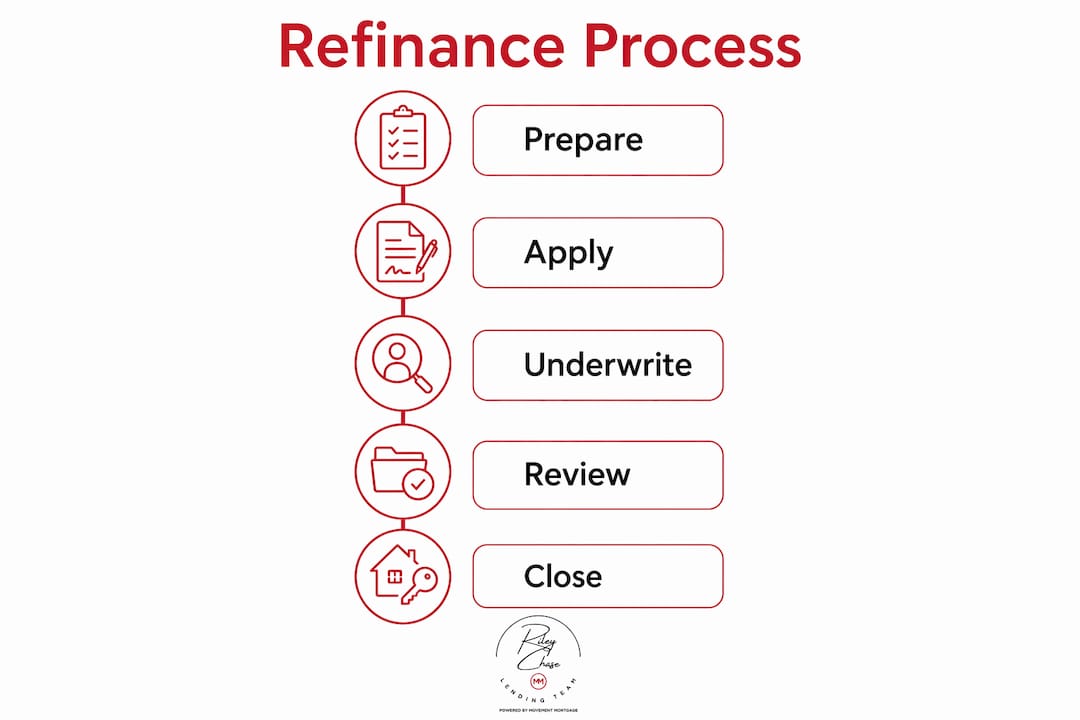
The process moves through five core stages:
- Preparation: Gathering financial documents, checking your credit, and estimating your home equity
- Application: Submitting your loan application and comparing offers from multiple lenders
- Processing and underwriting: Your lender verifies your finances, evaluates creditworthiness, and orders a property appraisal
- Pre-closing review: Examining your Closing Disclosure and confirming final loan terms
- Closing: Signing documents, paying closing costs, and transitioning to your new loan
Three factors shape how smoothly each stage goes: your credit score, your debt-to-income (DTI) ratio, and how much equity you hold in your home. Lenders weigh all three together, not in isolation. Understanding this upfront means fewer surprises and a faster path to approval.
Table of Contents
- Step 1: Organize and prepare your refinance application materials
- Step 2: Submit your refinance application and evaluate your loan options
- Step 3: What happens during processing, underwriting, and the appraisal
- Step 4: Review your final loan numbers and get ready to close
- Step 5: Closing on your new mortgage refinance
- Key considerations: costs, timeline, and the break-even calculation
- Expert insights on improving your refinance approval odds
- Rileychase makes the refinance process clear and personal
- Key Takeaways
Step 1: Organize and prepare your refinance application materials
Before you submit a single form, getting organized is the move that separates a smooth refinance from a frustrating one. Lenders need a complete financial picture, and missing documents are the most common cause of processing delays.
Here is what you will typically need to pull together:
- Proof of income: Recent pay stubs (last 30 days), W-2s from the past two years, and federal tax returns
- Bank and asset statements: Two to three months of statements for checking, savings, and investment accounts
- Current mortgage statement: Your loan balance, monthly payment, and lender contact details
- Property information: Your most recent property tax bill and homeowners insurance declarations page
- Government-issued ID: A valid driver’s license or passport
Beyond documents, take time to check your credit report before your lender does. You can pull free reports from all three bureaus at AnnualCreditReport.com and dispute any errors before they affect your application. Even a small scoring error can shift your rate offer.
Estimating your home equity is equally worth doing early. A rough calculation: subtract your current loan balance from your home’s estimated market value. Most lenders want to see at least 20% equity for a conventional refinance, though some programs allow less. Knowing where you stand helps you set realistic expectations before you ever speak to a lender.
Pro Tip: Review your refinance preparation checklist well before you apply. Catching a credit report error or locating a missing tax return weeks ahead of time keeps your timeline on track.
Step 2: Submit your refinance application and evaluate your loan options
Once your documents are ready, you can apply directly with a lender online, in person at a bank or credit union, or through a mortgage broker who shops multiple lenders on your behalf. Each path has trade-offs. Applying directly is straightforward, but a broker can surface offers you might not find on your own.
Before you commit to one lender, understand the main types of refinancing options available to you:
- Rate-and-term refinance: Changes your interest rate, loan term, or both without pulling cash from your equity. This is the most common type.
- Cash-out refinance: Lets you borrow more than you owe and receive the difference in cash, drawing on your home equity for home improvements, debt payoff, or other goals.
- Streamline refinance: Available for FHA, VA, and USDA loans, this option reduces paperwork and often waives the appraisal requirement, making it faster and less expensive.
When you receive loan estimates from different lenders, compare the annual percentage rate (APR), not just the quoted interest rate. The APR folds in fees and gives you a true cost-of-borrowing figure. Also compare loan terms, prepayment penalties, and whether the rate is fixed or adjustable.
Pro Tip: Shop multiple lenders within a 45-day window. Credit bureaus treat multiple mortgage inquiries made within that period as a single inquiry, so your credit score takes only one small hit regardless of how many lenders you contact. According to Bankrate, the majority of refinance borrowers overpay by skipping this comparison step entirely.

Step 3: What happens during processing, underwriting, and the appraisal
After you submit your application, your file moves into processing and then underwriting. This is where the lender’s team does the heavy lifting, and your job is mostly to respond quickly to any requests for additional documents.
Processing involves a loan processor organizing your file, verifying your documents, and ordering the property appraisal. They confirm that everything you submitted matches what the lender needs before handing the file to an underwriter.
Underwriting is the formal risk evaluation. The underwriter reviews:
- Your credit history and score
- Your DTI ratio (total monthly debt payments divided by gross monthly income)
- Your loan-to-value (LTV) ratio, which reflects how much equity you hold
- Employment history and income stability
- Asset reserves available after closing
Many lenders use Fannie Mae’s Desktop Underwriter (DU), an automated system that evaluates your full financial profile holistically rather than flagging any single metric in isolation. A borrower with a slightly elevated DTI but strong cash reserves and a clean payment history can still receive an approval through DU. Complex files may also go through manual underwriting, where a human reviewer applies judgment alongside the data.
The appraisal establishes your home’s current market value. A licensed appraiser visits the property, compares it to recent nearby sales, and submits a report to the lender. Appraisal fees typically run $300–$700, though streamline refinances often waive this requirement entirely. If the appraisal comes in lower than expected, your LTV ratio rises, which can affect your rate or require you to bring cash to closing.
The underwriter’s decision lands in one of three places: approved, approved with conditions (meaning you need to supply additional documentation), or denied. A conditional approval is common and not a cause for alarm. Respond to conditions promptly to keep your timeline moving.
Step 4: Review your final loan numbers and get ready to close
Three business days before your scheduled closing, your lender is required to send you a Closing Disclosure. This document lays out every final number: your loan amount, interest rate, monthly payment, and the full breakdown of closing costs. Comparing this document carefully to your original Loan Estimate is one of the most important things you can do before signing anything.
Pay close attention to these line items:
- Origination charges: Lender fees for processing and underwriting your loan
- Third-party fees: Appraisal, title search, title insurance, and settlement services
- Prepaid items: Homeowners insurance premiums, property taxes, and prepaid interest
- Cash to close: The total amount you will need to bring to the closing table
Typical refinance costs include application fees, origination fees, and appraisal fees. Rolled together, closing costs on a refinance generally represent a small percentage of the loan balance, though this varies by lender and loan type.
Also confirm your rate lock. If your lock expires before closing, you may face a higher rate or an extension fee. Ask your lender for the exact expiration date and what happens if closing is delayed.
Pro Tip: If any fee on the Closing Disclosure is significantly higher than what appeared on your Loan Estimate, ask your lender to explain the change in writing before you proceed. Some fees are fixed by law; others can shift. Knowing which is which gives you leverage to negotiate or walk away.
Step 5: Closing on your new mortgage refinance
Closing day is the finish line. You will meet with a settlement agent or closing attorney, sign a stack of documents, and pay any remaining costs. The whole appointment typically takes 60–90 minutes.
What to expect at the table:
- Promissory note: Your formal promise to repay the new loan under the stated terms
- Deed of trust or mortgage: Secures the lender’s interest in your property
- Closing Disclosure acknowledgment: Confirms you received and reviewed the final terms
- Cashier’s check or wire transfer: Covers your cash-to-close amount, if any
Once you sign, the lender funds the new loan. The title company or settlement agent uses those funds to pay off your old mortgage. Your previous lender will send a payoff confirmation, and the new loan becomes effective. You typically have a three-day right of rescission on a refinance of your primary residence, meaning you can cancel without penalty within three business days of closing.
After closing, update any automatic payment arrangements. Your old autopay will no longer apply, and your first payment on the new loan is usually due 30–60 days after closing. Keep every document from the closing package in a secure place. You will want them for tax purposes and for any future refinance or sale.

Key considerations: costs, timeline, and the break-even calculation
Understanding the financial mechanics behind a refinance helps you decide whether the numbers actually work in your favor.
How long does refinancing take?
Processing time for a mortgage refinance commonly runs 30–45 days, though this varies based on how quickly you supply documents, how busy the lender is, and whether the appraisal or underwriting hits any snags. Streamline refinances can close faster. Cash-out refinances, which involve more documentation and a higher-stakes appraisal, often take longer.
What does refinancing cost?
The Federal Reserve’s consumer guide notes that typical refinance fees include application fees of $75–$300, origination fees of 0%–1.5% of the loan amount, and appraisal fees of $300–$700. Add title, escrow, and recording fees, and total closing costs on most refinances land somewhere between 2% and 5% of the loan balance.
The break-even point
The break-even point tells you how long you need to stay in your home before the monthly savings from refinancing offset the upfront closing costs. The math is simple: divide your total closing costs by your monthly payment reduction. If your closing costs are several thousand dollars and your new payment is lowered each month, you break even after some time spent in the home. If you plan to sell before that point, refinancing may not make financial sense.
Credit score and DTI
Qualifying for a refinance generally requires a credit score of 620 or higher, though Fannie Mae’s Desktop Underwriter can allow flexibility when compensating factors are strong. Your DTI ratio matters just as much. Most conventional lenders prefer a DTI at or below 45%, though some programs allow higher ratios with strong reserves or a low LTV.
A note on costs: Refinance closing costs are real money out of pocket. Before you commit, use a mortgage savings calculator to model your break-even timeline against your expected stay in the home.
Expert insights on improving your refinance approval odds
Getting approved is one thing. Getting approved on favorable terms is another. A few strategies make a measurable difference.
Seasoning matters more than most homeowners realize. Lenders require a period of on-time payment history before they will approve a refinance. Rate-and-term refinances generally need a solid track record of on-time payments, while cash-out refinances require a longer history. Trying to refinance too soon after your original loan closes is a common reason for automatic denial.
Credit utilization is a fast lever. Your credit score responds quickly to changes in revolving balance utilization. Paying down a credit card balance from 60% to under 30% of the limit can move your score meaningfully within one or two billing cycles. That score improvement can shift you into a better rate tier before you apply.
Lenders evaluate your full profile, not just one number. Fannie Mae’s Desktop Underwriter considers credit, equity, DTI, and reserves together. A borrower who falls short on one metric can often offset it with strength in another. Strong cash reserves, a low LTV, or a long history of on-time payments all function as compensating factors that underwriters weigh in your favor.
Here are the most effective ways to strengthen your application before you submit:
- Pay down revolving debt to reduce your DTI and improve credit utilization
- Avoid opening new credit accounts in the 90 days before applying
- Build up cash reserves beyond what closing costs require
- Confirm your employment situation is stable and documentable
- Check your credit report for errors and dispute them before your lender pulls it
Pro Tip: Ask your lender whether enrolling in autopay qualifies you for a rate discount. Many lenders offer a reduction of around 0.25% for automatic payment enrollment, which adds up over the life of a 30-year loan. It is a small step with a real payoff.
Knowing when to refinance is just as important as knowing how. If rates have dropped significantly since you closed your original loan, or if your credit profile has improved substantially, those are strong signals that the timing is right. Pair that with a break-even analysis, and you have a clear picture of whether refinancing serves your financial goals.
Rileychase makes the refinance process clear and personal
Refinancing is a significant financial decision, and having the right guidance from the start changes the outcome. Rileychase specializes in walking homeowners through every stage of the process with transparency and personalized support, so you always know where you stand and what comes next.

What sets Rileychase apart is the combination of educational depth and one-on-one communication. Rather than leaving you to decode lender jargon on your own, the team explains your options in plain language, from understanding your loan options to reviewing your Closing Disclosure line by line. Whether you are pursuing a rate-and-term refinance to lower your monthly payment or a cash-out refinance to fund a home improvement project, Rileychase matches you with the right loan structure for your situation.
The first step is straightforward: get pre-approved for your refinance and see exactly what terms you qualify for today. No guesswork, no surprises.
Key Takeaways
The mortgage refinance application process moves through five defined stages, and knowing what each one requires puts you in control of the timeline and the outcome.
| Point | Details |
|---|---|
| Five-stage process | Refinancing moves from preparation through application, underwriting, pre-closing review, and closing. |
| Costs run 2%–5% | Closing costs typically include application fees ($75–$300), origination fees (0%–1.5%), and appraisal fees ($300–$700). |
| Timeline: 30–45 days | Most refinances close within 30–45 days; streamline refinances can move faster. |
| Break-even is the key metric | Divide total closing costs by your monthly savings to find how long before refinancing pays off. |
| Rileychase guides you through | Rileychase provides personalized support and transparent guidance at every stage of the refinance process. |
Recommended

Related Posts